
5 Benefits Of Eating
Organic Food
Organic food stands at the confluence of taste and health, offering a path to wellness that's as kind to the planet as it is to your palate. This journey toward organic eating is an adventure in discovering the pure, the natural, and the wholesome.
Join us as we explore what it means to eat organic, why it matters, and how it can transform your health and the world around you.
What Does Organic Mean?
The term "organic" goes beyond just a sticker on your produce—it represents a commitment to practices that support ecosystem health, conserve biodiversity, and avoid most synthetic pesticides and fertilizers.
Organic farming is about nurturing the land that feeds us, employing techniques that ensure the soil's fertility is sustained and enhanced for generations to come.
- Farming Practices: Organic farmers use natural methods to control pests and diseases, relying on a balanced ecosystem and healthy, nutrient-rich soil to produce strong, healthy plants.
- Chemical Use: Synthetic pesticides, herbicides, and fertilizers are largely prohibited in organic agriculture. Instead, organic farmers may use organic-approved products that break down quickly in the environment, minimizing harm.
- GMOs: Genetically modified organisms (GMOs) are not allowed in organic production. This commitment to genetic integrity ensures that the food on your plate is as nature intended.
Understanding what "organic" truly means can illuminate the value of these foods in your diet. It's not just about avoiding chemicals but embracing a system of food production that's aligned with nature's rhythms and safeguards our planet's future.
What Are the Benefits of Eating Organic Food?
Jumping into the organic food scene can feel like a fresh start for your plate and the planet. Let's peel back the layers on why going organic is not just a trendy choice but a meaningful shift toward healthier living and environmental stewardship.
Here are five standout benefits that make organic foods a smart pick for those of us looking to eat better and live more consciously.
-
Less Exposure to Pesticides
First off, organic foods dramatically lower your exposure to pesticides. Conventional agriculture often relies on a cocktail of chemicals to fend off pests, but these substances don't always stay in the fields; they can hitch a ride on your fruits and veggies, ending up on your dinner plate.Organic farming, however, sticks to natural pest management strategies, keeping those unwanted extras away from your food and, importantly, out of your body.
-
Richer in Certain Nutrients
There's compelling evidence that organic produce can be more nutritious. Some studies suggest that organic fruits and veggies might have a nutritional edge, boasting higher levels of certain antioxidants and omega-3 fatty acids than their non-organic counterparts.While science continues to evolve, the potential for a nutrient boost makes organic foods an appealing option for those of us looking to maximize the health benefits of our meals.
-
Kinder to Our Planet
Organic farming is a friend to our planet. It supports biodiversity, promotes soil health, and reduces pollution from runoff, making it a champion of sustainability.By choosing organic, you're not just making a dietary decision but casting a vote for farming practices that respect natural life cycles and aim to keep our planet in balance.
-
Supports Animal Welfare and Antibiotic Resistance
When it comes to meat and dairy, organic means the animals were given a lifestyle closer to their natural one, with access to the outdoors and organic feed. This approach supports animal welfare and tackles a critical public health issue: antibiotic resistance.Organic standards prohibit the routine use of antibiotics, reducing the risk of creating drug-resistant bacteria.
Fosters a Strong Connection With Food
Lastly, going organic can deepen your connection to what you eat. Knowing that your apples or spinach came from a farm that values ecological balance and ethical treatment of animals adds a layer of appreciation and mindfulness to every bite. It's about feeding your body with food that tells a story of care, respect, and sustainability.
How Can You Tell If It's Truly Organic?
Diving deeper into organic eating means becoming savvy about what "organic" really stands for on your food labels. After exploring the essence of organic farming and its benefits, you might wonder, "How can I be sure what I'm buying is genuinely organic?"
This question is more relevant than ever as the organic market grows and more products claim the organic label. Here's a straightforward guide to ensure your organic choices are authentic and impactful.
Deciphering Organic Labels
The world of organic labels can be a bit of a puzzle, but once you know what to look for, it becomes much easier to navigate. In the United States, the USDA Organic seal is your gold standard, indicating that the product meets strict production and processing standards:
- 100% Organic: Every ingredient and processing aid in the product is organic.
- Organic: At least 95% of the ingredients are organic, with some approved non-organic ingredients allowed.
- Made With Organic Ingredients: Contains at least 70% organic ingredients, but can't use the USDA Organic seal.
Understanding these labels helps you make informed decisions, ensuring your organic diet aligns with your values of supporting sustainable farming practices and consuming food free from synthetic pesticides and GMOs.
Beyond the Label: Knowing Your Source
While labels are helpful, there's more to organic eating than just checking for seals. Building relationships with local farmers and visiting farmer's markets can give you insights into how your food is grown.Many small-scale farmers practice organic farming but may not have official certification due to the cost and complexity of the process. Directly engaging with these producers allows you to learn about their farming practices, ensuring that your support extends to the heart of the organic movement—sustainable, ethical agriculture.
The Role of Certifications
Certifications play a crucial role in the organic ecosystem, offering an extra layer of trust and transparency. Various organizations, in addition to the USDA, certify organic products around the world, each with their standards and criteria. Familiarizing yourself with these certifications can enhance your confidence in the organic products you choose, whether it's organic meat from a trusted butcher or organic milk from your local dairy.
Tips for Going Organic: How Can You Make the Switch?
Start Small
If the idea of overhauling your entire pantry feels overwhelming, begin with baby steps. Identify a few items you consume regularly—milk, eggs, or leafy greens—and switch those to organic. Small changes can lead to big impacts over time, both for your health and the environment.
Prioritize Your Purchases
Not all produce needs to be bought organic, but some, known as the "Dirty Dozen," are more prone to pesticide residue. Prioritize organic for these items, which include strawberries, spinach, and apples. Conversely, the "Clean Fifteen," like avocados and sweet corn, have the least pesticides, so you can save by buying conventional versions.
Explore Farmer’s Markets
Local farmers' markets are goldmines for organic produce, often at better prices than grocery stores. Plus, they offer the chance to support local farmers who might not have the means for official organic certification but follow organic farming practices. It's a win-win for your health and local economies.
Plan and Prep
Meal planning can be a game-changer in your organic journey. By planning your meals, you can buy in bulk, reduce waste, and ensure you have healthy, organic options throughout the week.
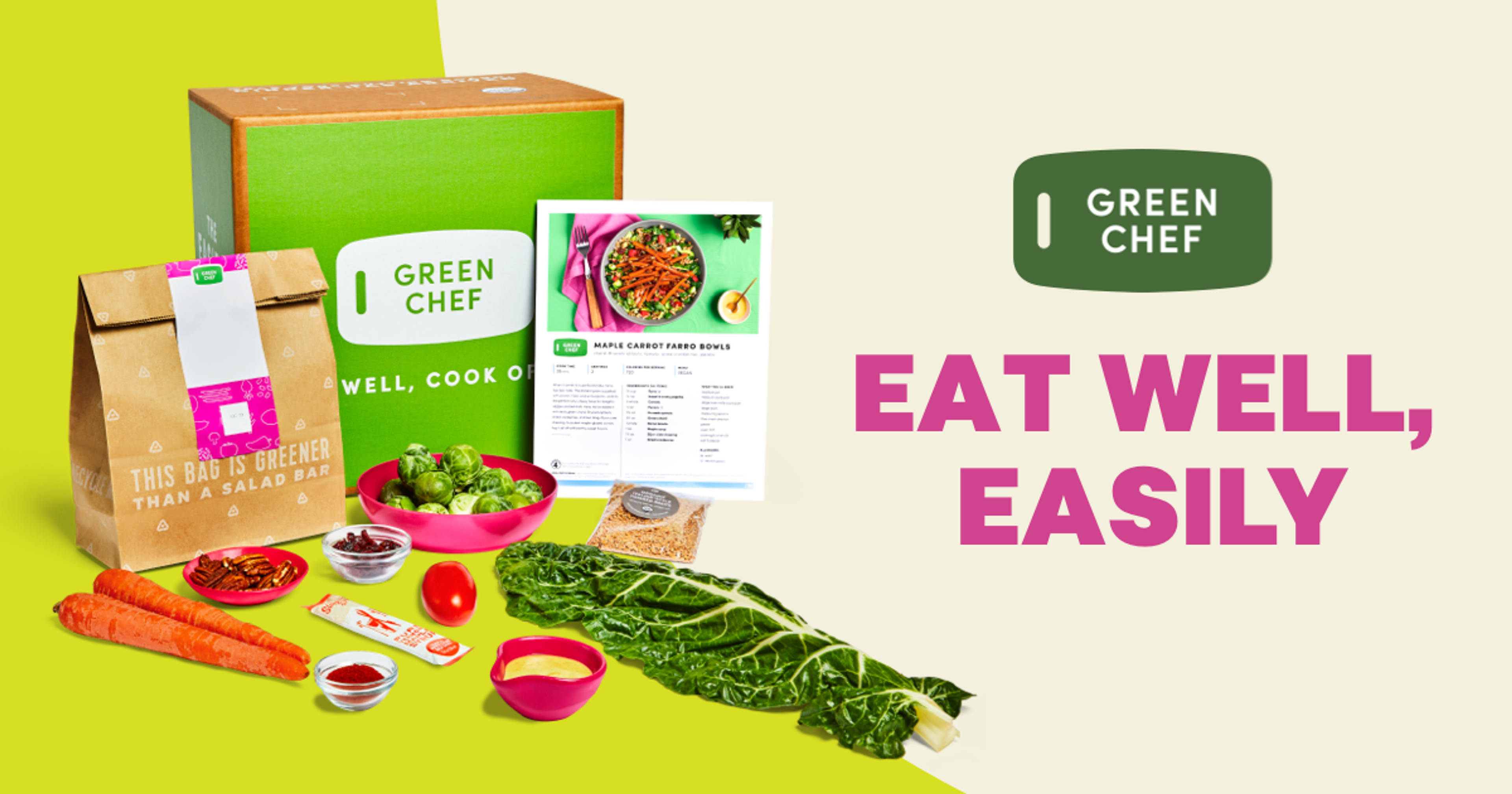
For those times when life gets too hectic, consider a meal prep delivery service like Green Chef. We take the guesswork out of eating fresh, delivering chef-crafted meals right to your door. It's an effortless way to ensure your meals are not only delicious but also aligned with your lifestyle goals.
Educate Yourself
Understanding the impact of conventional farming on human health and the environment can be a powerful motivator. Educate yourself about the benefits of organic food, from reducing exposure to growth hormones and preservatives to promoting less energy-intensive farming practices. The more you know, the more committed you'll be to sustaining an organic diet.
Go Beyond Produce
Organic isn't just for fruits and veggies. Extend your organic choices to dairy products, meat, and even packaged goods. Look for organic meat free from antibiotics and growth hormones, and dairy products sourced from animals raised according to organic standards.
Embrace Natural Foods
Incorporating whole, natural foods into your diet automatically reduces your intake of processed items, which often contain non-organic ingredients and preservatives. Focus on whole grains, legumes, nuts, and seeds—simple, nourishing foods that are the cornerstone of a healthy, organic diet.
A Final Word
As we've journeyed through the world of organic food together, we hope you feel inspired to make more organic choices in your daily life. Remember, transitioning to an organic lifestyle is a step toward supporting your health and contributing to a sustainable world.
Green Chefis the first CCOF-Certified Organic Meal Kit Company, and we believe every meal is an opportunity to nourish your body and respect our planet. With our chef-designed meal kits delivered to your door, we make it easy for you to enjoy delicious, healthy food without the hassle. With seasonal organic whole fruits and vegetables, organic, cage-free eggs, and an option to upgrade to organic proteins, you can face your meals feeling good.
