Paleo Dieting 101: The Paleo Autoimmune Protocol Diet
The Paleo Autoimmune Protocol Diet
What Is the AIP?
The Autoimmune Protocol, or AIP for short, is a diet that can be used to reduce the inflammation and pain caused by autoimmune diseases like lupus, celiac disease, inflammatory bowel disease (IBD), and rheumatoid arthritis. Many people who have followed the AIP diet report improvements in the way they feel, as well as reductions in common symptoms of autoimmune disorders, such as fatigue and gut or joint pain.
What Is an Autoimmune Disease and What Causes It?
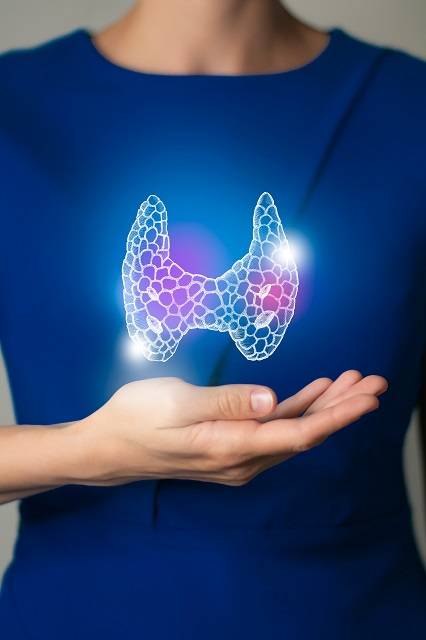
If an immune system is healthy, it produces antibodies that attack harmful or foreign cells in the body. However, if someone has an autoimmune disorder, the immune system produces antibodies that attack healthy cells and tissues rather than the harmful ones. This “misfiring” results in joint pain, fatigue, diarrhea, and even tissue or nerve damage.
Autoimmune diseases can be caused by a number of factors, including genetics, stress, inflammation, or certain medications. Another key contributor is something called leaky gut. Damage to the stomach lining can cause increased intestinal permeability, and this leaky gut can trigger the development or onset of certain autoimmune diseases. Certain foods have been shown to increase the permeability of the gut, which, of course, increases the likelihood of leaky gut.
The AIP diet eliminates these foods and replaces them with healthy, nutrient rich foods that help heal the gut, reduce inflammation, and lessen the symptoms of autoimmune diseases. One look at the AIP diet and you’ll see that it is remarkably similar to the paleo diet; so much so that it is considered a subset or an extension of the paleo diet.
Paleo and AIP: How They Are Similar and How They Are Different
The main difference between the two is this: the AIP diet consists of two phases:the elimination phase and the reintroduction phase. The elimination phase is extremely similar to the paleo diet, but somewhat more restrictive, as you can see from these lists of foods to enjoy and those to avoid.
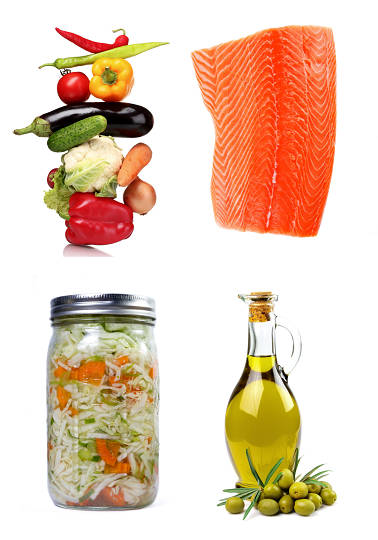
Foods to enjoy on the initial phase of the paleo AIP diet:
- Meat: poultry, fish, seafood, pork, and beef. Meat should be wild, or grass-fed and organic if possible
- Vegetables: any veggie that does not contain nightshades
- Fresh fruit: a variety of fresh fruit, in moderation
- Non-dairy, probiotic-rich foods: pickles, kimchi, sauerkraut
- Oils derived from fruits: olive oil, avocado oil, or coconut oil
- Herbs and spices: basil, oregano, cinnamon. Just be sure they are not derived from a seed
- Sugar-free vinegar: balsamic, red wine, apple cider, etc.
- Natural sweeteners: honey, maple syrup
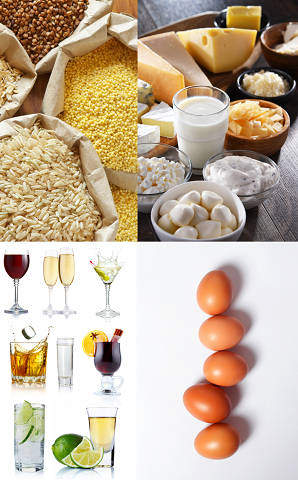
Foods to avoid on the initial phase of the paleo AIP diet:
- Grains: wheat, barley, oats, rye, rice, as well as all byproducts like pasta and bread
- Legumes: including, but not limited to, beans, lentils, peanuts, soybeans, as well all byproducts like tofu and peanut butter
- Dairy: cheese, milk, yogurt
- Certain vegetables that contain nightshades: peppers, eggplants, tomatoes, potatoes
- Eggs
- Nuts and seeds: all nuts and seeds as well as seed-based spices like cumin, fennel, anise, mustard, and nutmeg
- Processed vegetable oils: such as rapeseed, corn, safflower, soybean, canola
- Refined and processed sugars in any form: candy, cakes, frozen desserts, etc.
- Artificial sweeteners: stevia, saccharine, and the like
If you choose to try paleo AIP, make sure to avoid nuts, eggs, and nightshade containing vegetables during the initial elimination phase. You can – and should – then reintroduce them in phase two. Phase one usually lasts for 3 weeks to a month but can be prolonged for up to 90 days.
When you’re ready to reintroduce foods, it’s important to do it one by one. Each “trigger” food should be slowly re-introduced, and if it causes no symptoms, you are free to add it back into your diet.